

Less Memorizing. More Understanding.
-

Flexible Study
Downloadable materials support self-paced reading, note-taking, and review without a fixed daily study schedule.
-

Clear Progression
Organized chapters introduce technical ideas in a logical sequence, with space to revisit earlier core concepts.
-

Guided Practice
Guided fictional scenarios invite learners to examine evidence, organize findings and explain defensive choices.
-

Connected Concepts
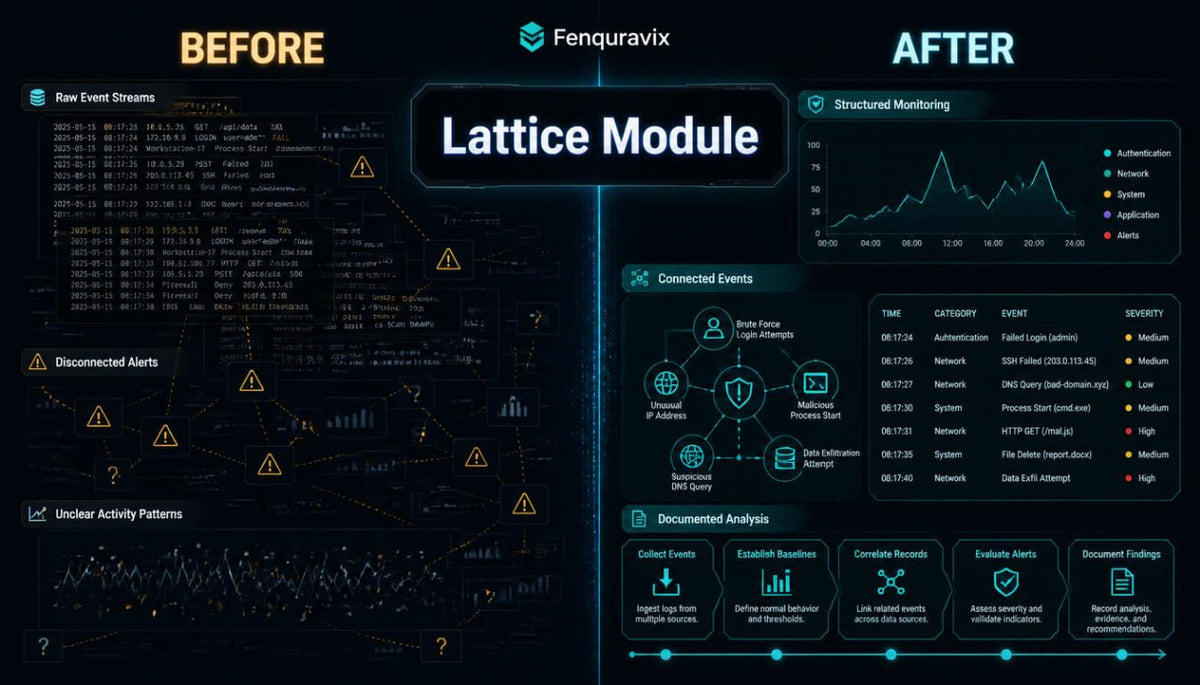
Each module links related cybersecurity topics through diagrams and examples that clarify how defenses interact.


Turning Digital Complexity Into Clarity
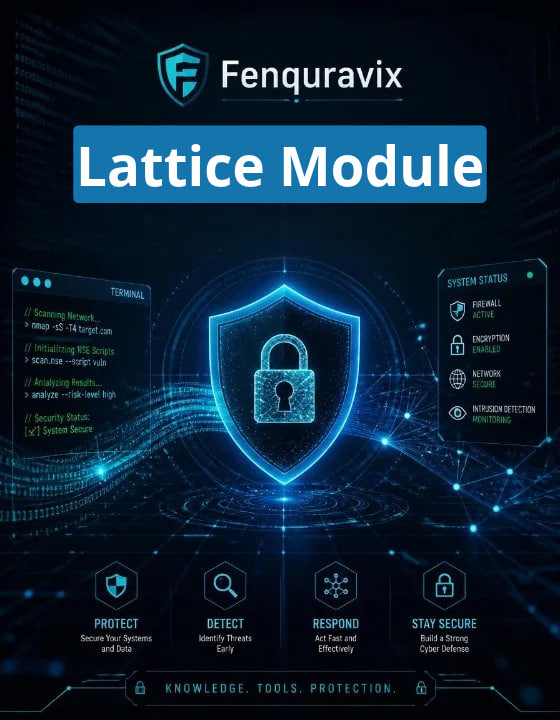
Discover on all Devices


Every Idea Has an Origin. Ours Began With a Question.



30-days refund guarantee
-
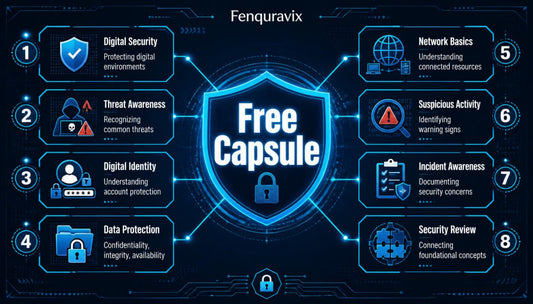
Free Capsule
Regular price €0,00 EURRegular price -
Cipher Blueprint
Regular price €74,00 EURRegular price -
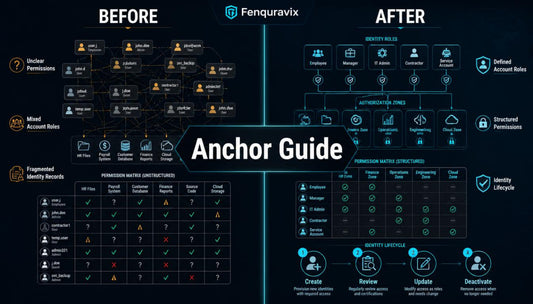
Anchor Guide
Regular price €121,00 EURRegular price -
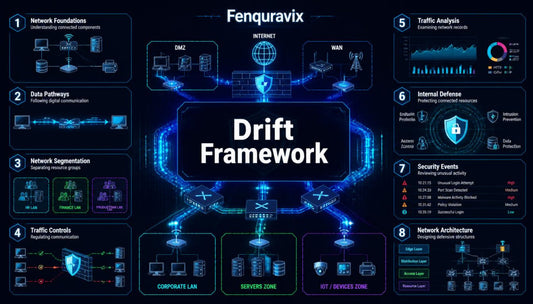
Drift Framework
Regular price €178,00 EURRegular price -
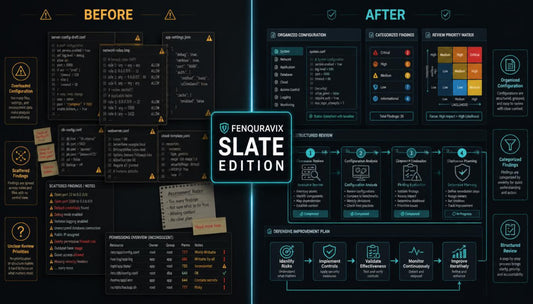
Slate Edition
Regular price €193,00 EURRegular price -
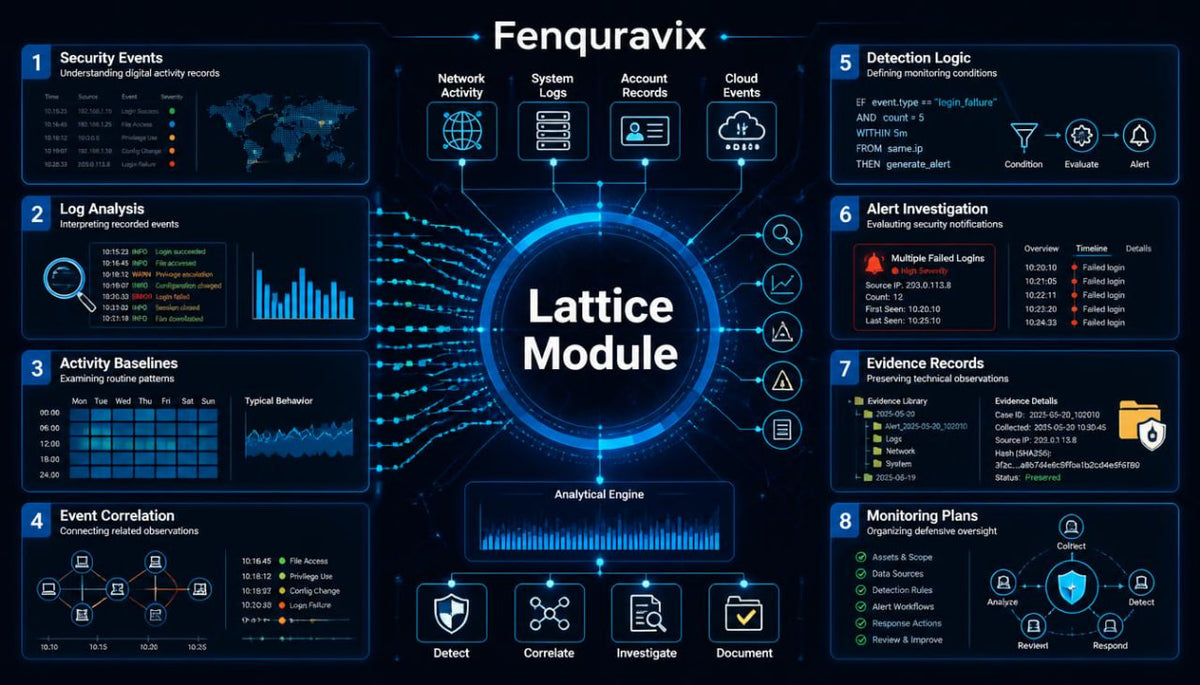
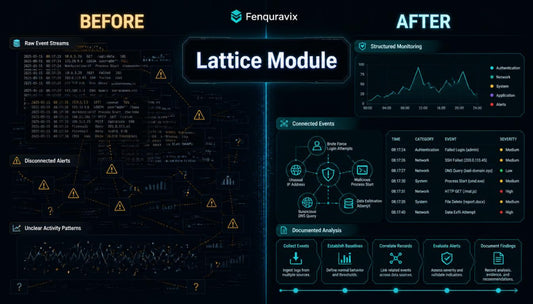
Lattice Module
Regular price €206,00 EURRegular price -
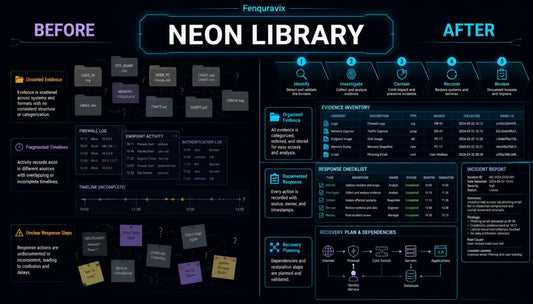
Neon Library
Regular price €219,00 EURRegular price -
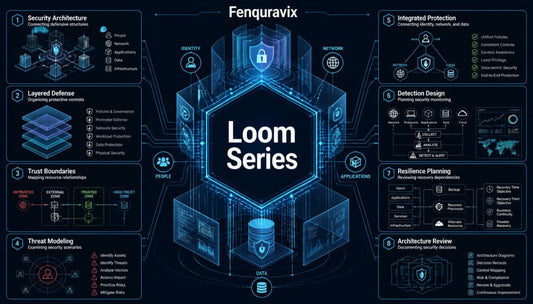
Loom Series
Regular price €249,00 EURRegular price -
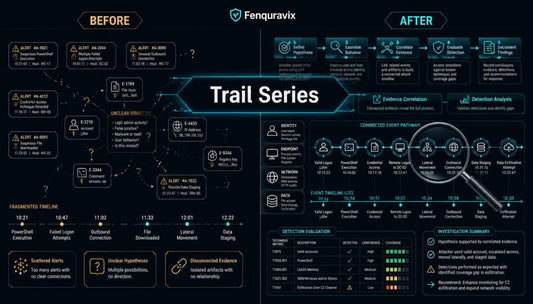
Trail Series
Regular price €299,00 EURRegular price -
Cloud Series
Regular price €488,00 EURRegular price











A First Step Into Digital Defense — On Us
The People Behind Every Chapter
-

Dave Leston
Network Security Analyst
He examines network diagrams and traffic records to identify unusual patterns. His work focuses on communication boundaries and defensive controls. He documents findings in clear technical summaries. -

Robin Joerson
Security Monitoring Analyst
She reviews event records and alert patterns across connected environments. Her work focuses on interpreting unusual activity with further context. She prepares concise security monitoring summaries. -

Mark Mercer
He studies digital records and event timelines to reconstruct reported activity. His work focuses on evidence handling and chronological detail. He prepares well-organized notes for incident reviews.


Open a Chapter Before Choosing Your Path
Every Learning Path Has Its Own Story
-

Tessa Gabrins
Tessa was curious about how cybersecurity investigations work but initially found technical activity records, monitoring terminology, and incident timelines difficult to interpret.
What Helped: The structured event examples, chronological diagrams, and guided analytical questions provided a useful format for studying investigation methods.
Her Words: "I liked how the exercises encouraged me to look carefully at recorded events, organize the information, and consider different explanations before drawing conclusions."
-

Hadley Rivers
Hadley wanted to explore how identity protection, network boundaries, monitoring practices, and recovery planning fit together within modern digital environments.
What Helped: The interconnected diagrams, clearly divided chapters, and architectural case studies helped her examine the relationships between different defensive measures.
Her Words: "The diagrams made the course material engaging, and I appreciated having a structured learning path where each chapter connected naturally with the subjects I had studied earlier."


